

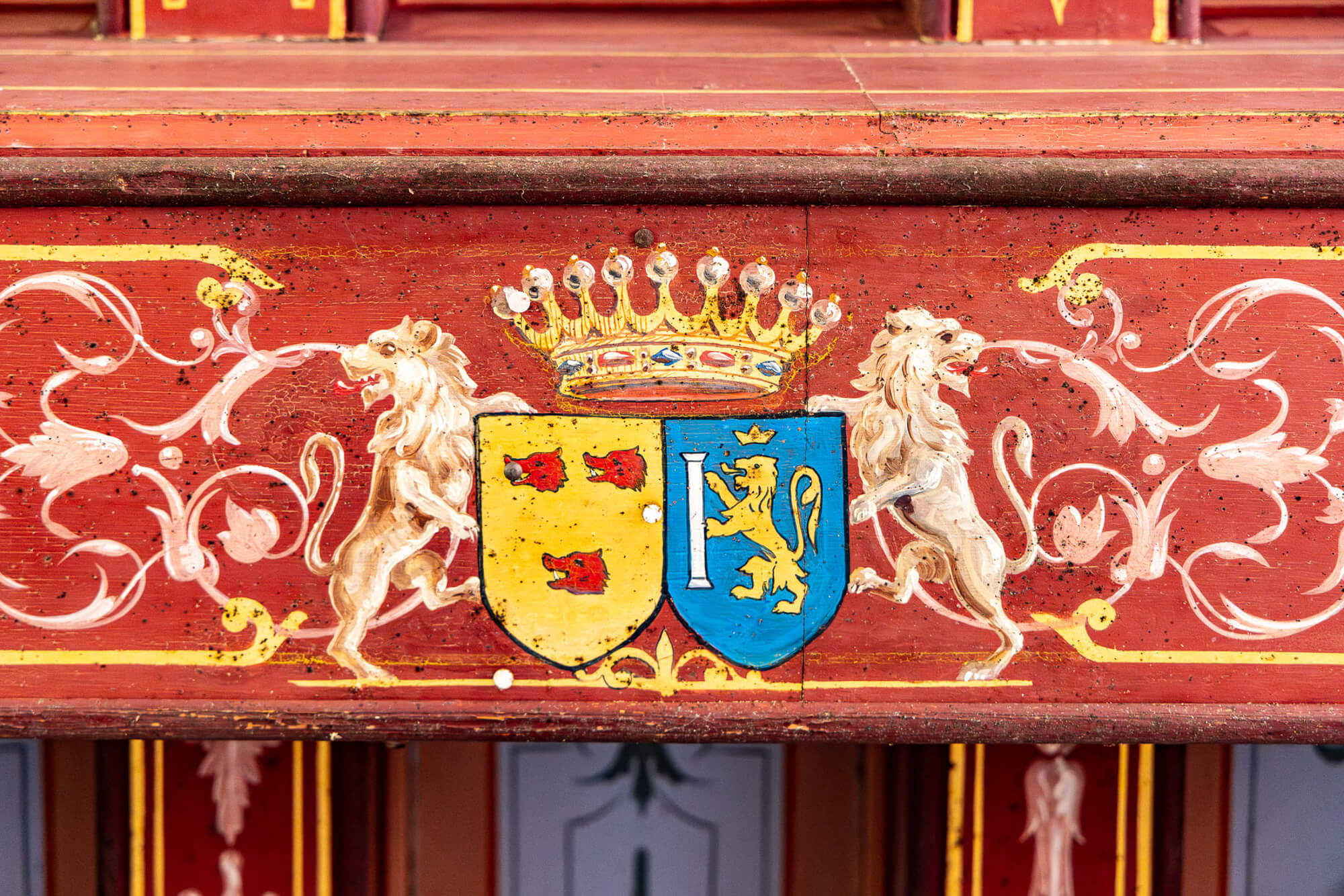
Louis the 13th Mannerist Château


Genius Loci
A rich history to begin with...
We are here in the remote lands of the former Poitou region, at the crossroads of Touraine and Anjou. A historic town lies just a few kilometers away, offering all the shops and services needed for year-round living. The surrounding landscape blends forests, fields, and remarkable heritage treasures.
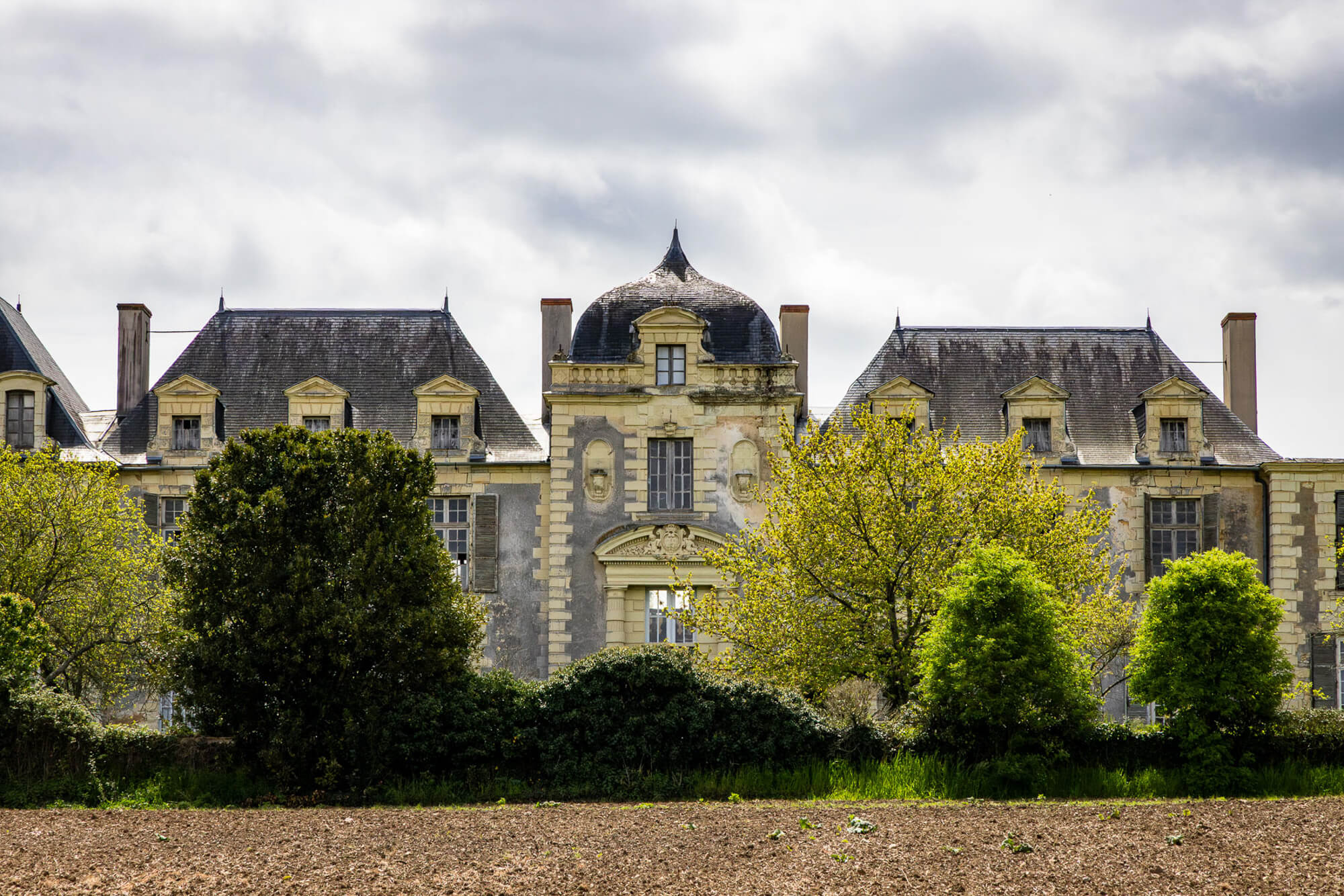
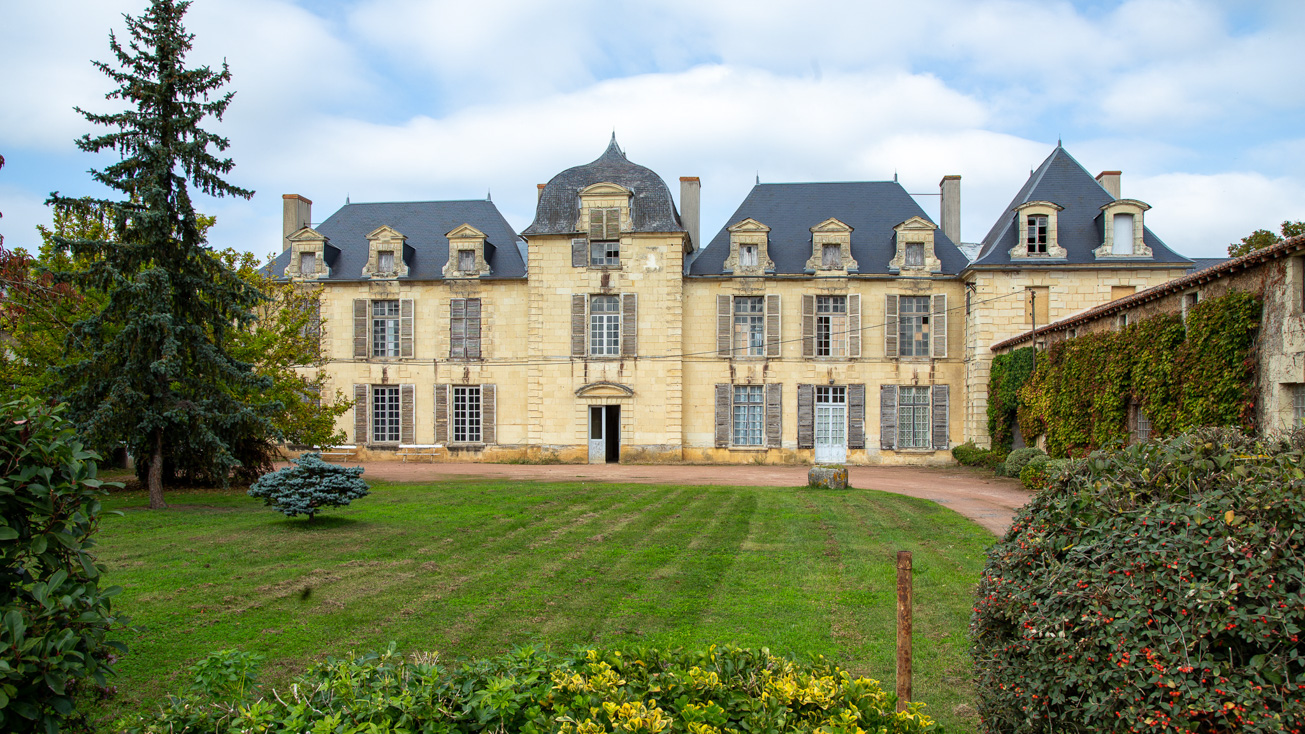
Built between 1620 and 1625, the château embodies a rare architectural transition: the waning Renaissance giving way to emerging Classicism. Limestone façades, symmetrical composition, an imperial dome: every element reflects the ambition of a powerful patron.
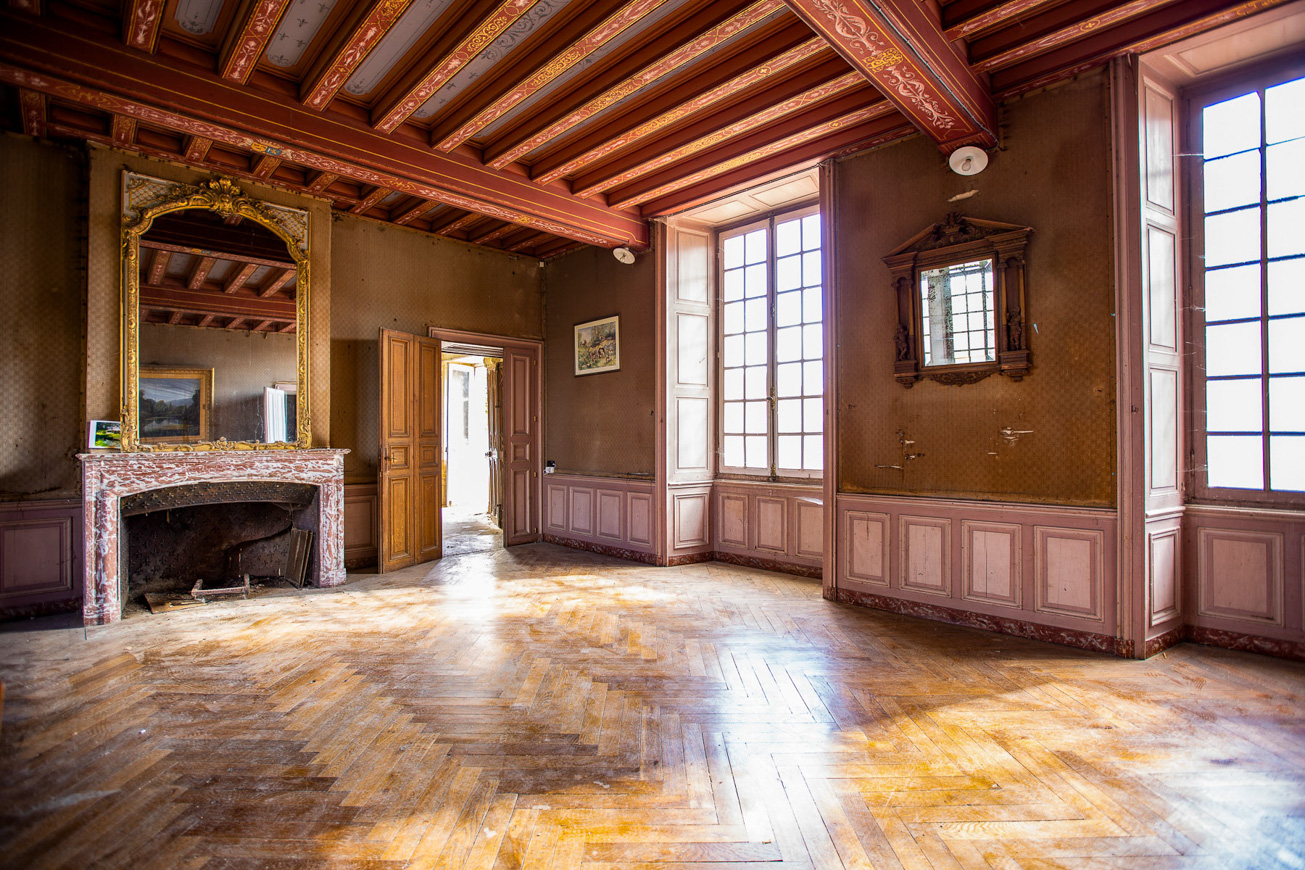
During the Regency, the property was completed with the construction of the corner pavilions. Under Louis XV, the interiors gained refinement: alcoves, painted woodwork, and rethought circulation. A new elegance settled in, yet without breaking the harmony of the whole.
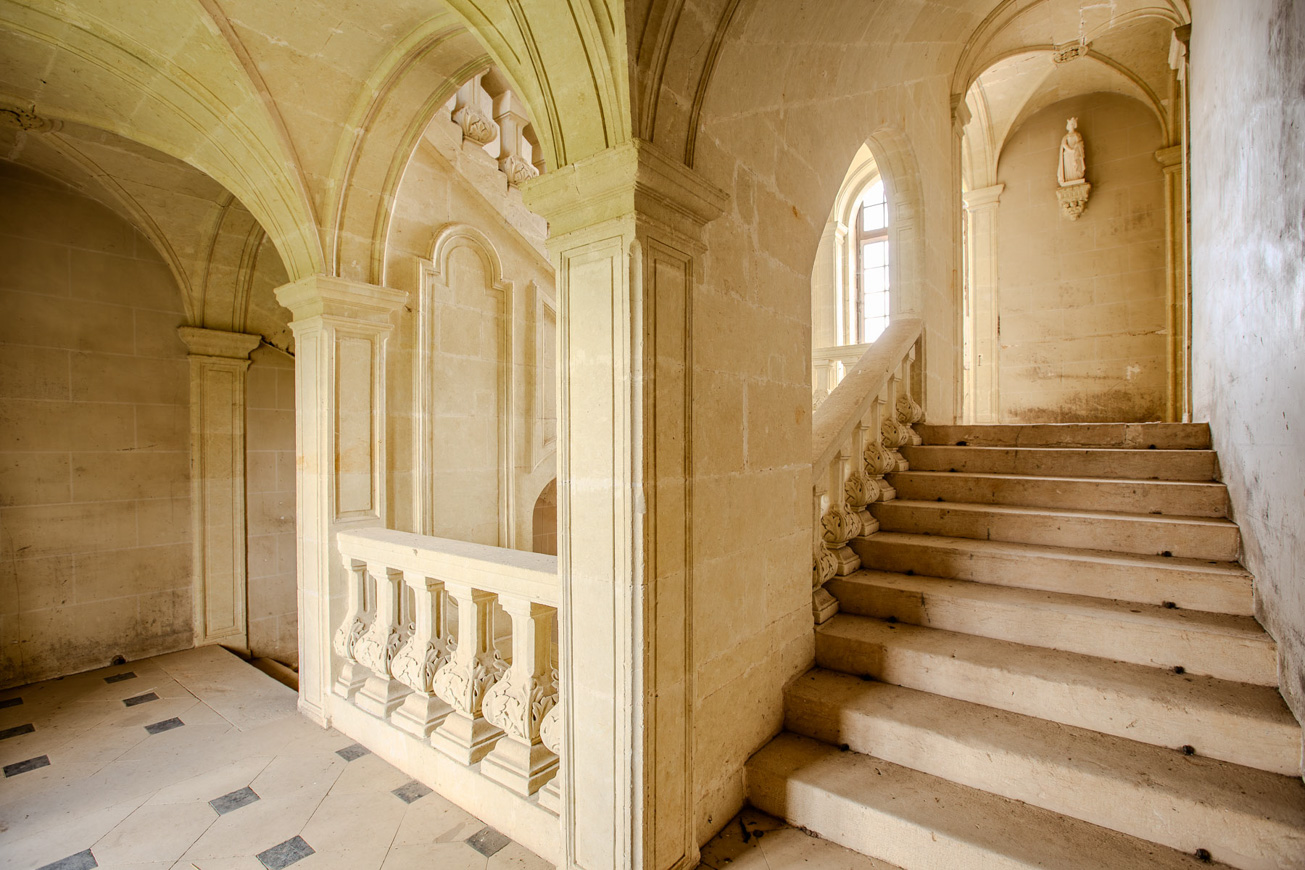
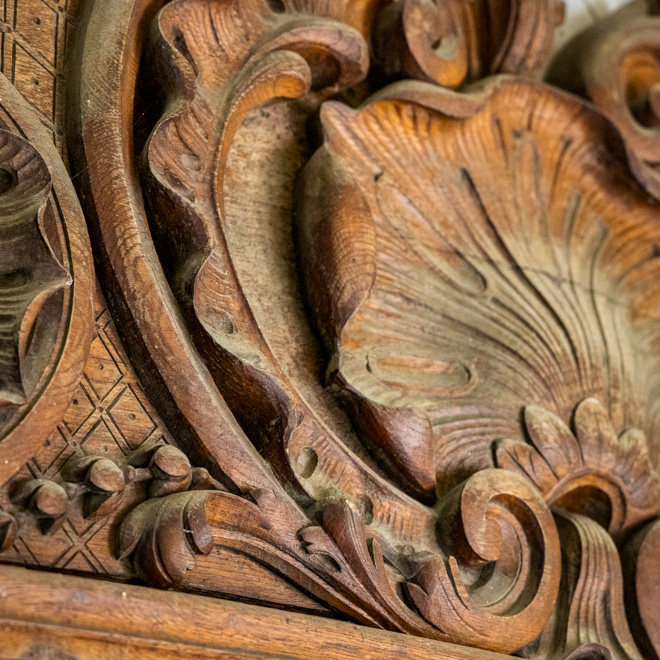
The Revolution left its marks, though the essential was preserved. The 19th century then brought its splendour: Charles the 10th fireplaces, a monumental staircase with rich ornamentation, and Neo-Renaissance decorative features. True to itself, the estate combines grandeur and restraint, permanence and gentle transformation.
The Monumental Perspective
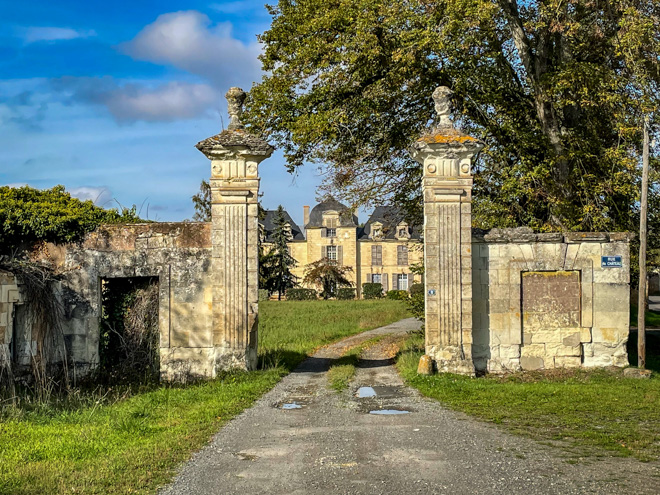
The north–south orientation, characteristic of the Louis 13th period, creates a majestic perspective stretching from the entrance pillars to the terraced gardens. The entire composition forms a true architectural theatre.
Gate, cour d’honneur, façade, dome, gardens—every element follows in perfect sequence, a masterful staging of grandeur and order. This château is not merely a residence: it is a statement, a manifesto balancing Renaissance heritage with the emerging rigour of Classicism.
An Elongated Plan for Majestic Elevations
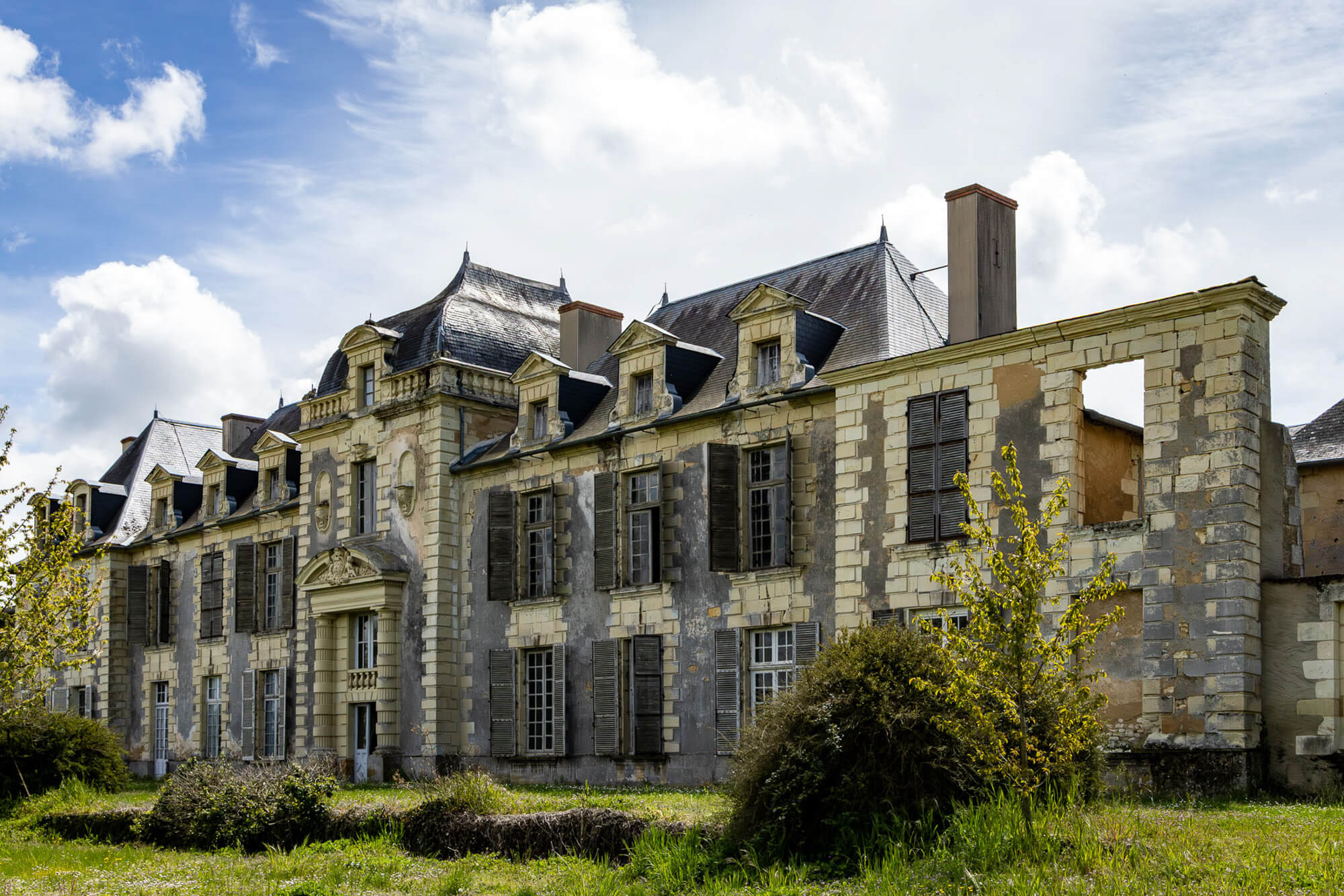
The château is arranged along a longitudinal plan structured by the main living block, a central pavilion crowned with an imperial dome, and two lateral pavilions. Each volume is capped with a pavilion roof, a defining composition of the early 17th century.
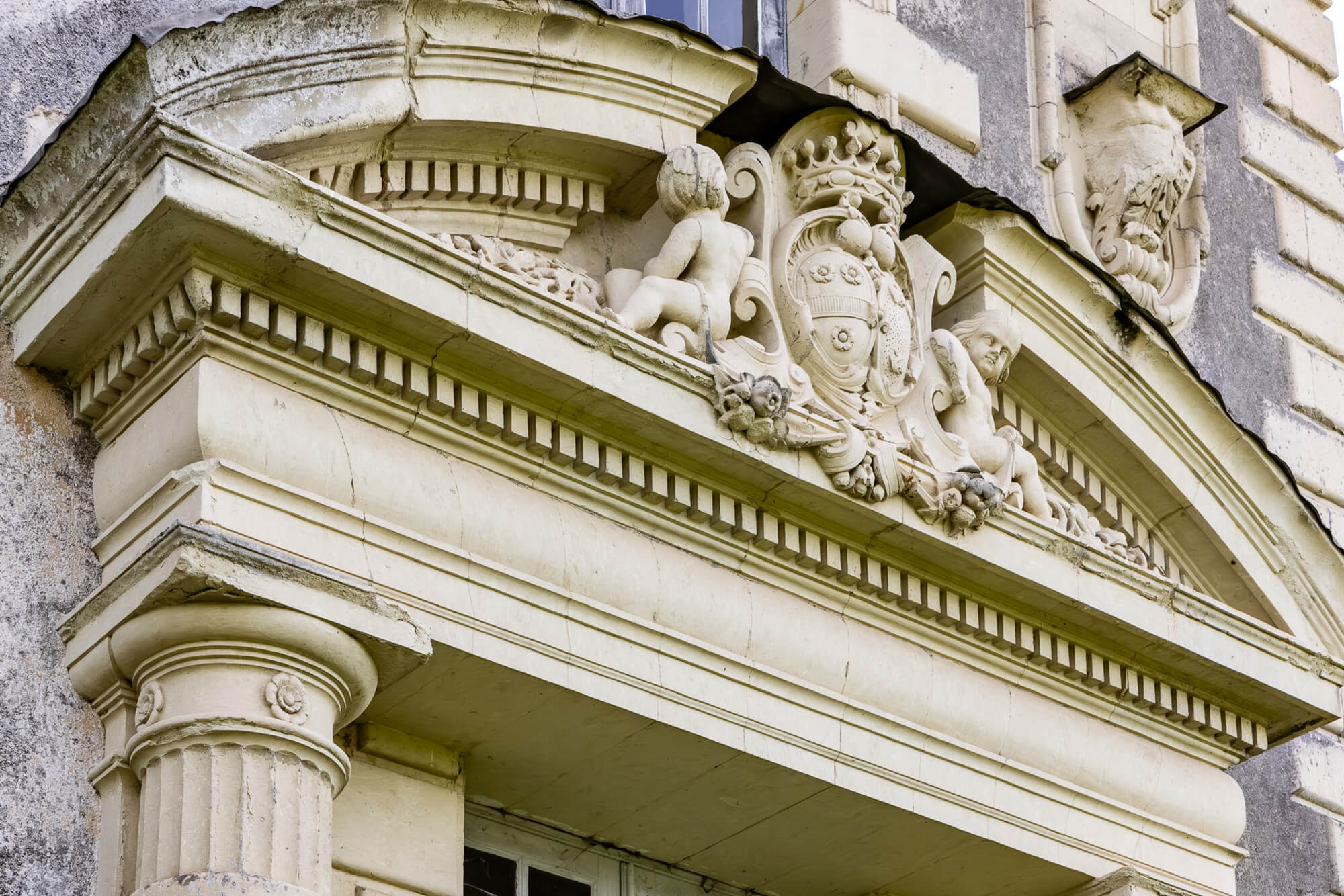
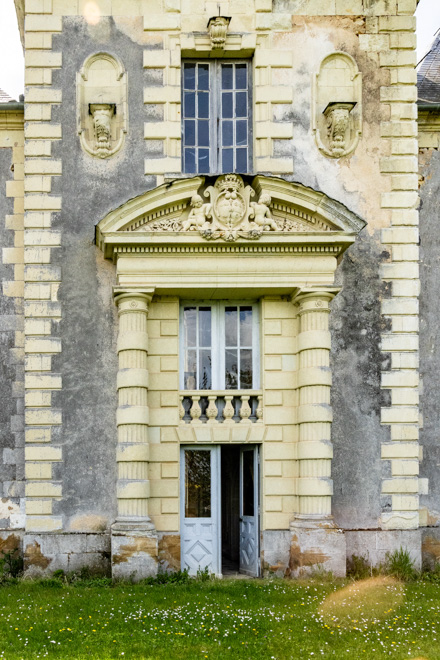
The principal façade, built in large-cut limestone blocks, asserts a solemn ambition. On the garden side, stone and rendered surfaces alternate in a more discreet harmony. Regular bays, corner chains, and dormers with classical pediments all reflect the early ordering principles of Classicism.


“For those who seek more than a residence : a chapter to write in the great story of the art of building.
This château is a demanding, yet fair invitation:
it gives as much as it invites you to give.”
A distinctive Art of Living
THE ART WITHIN
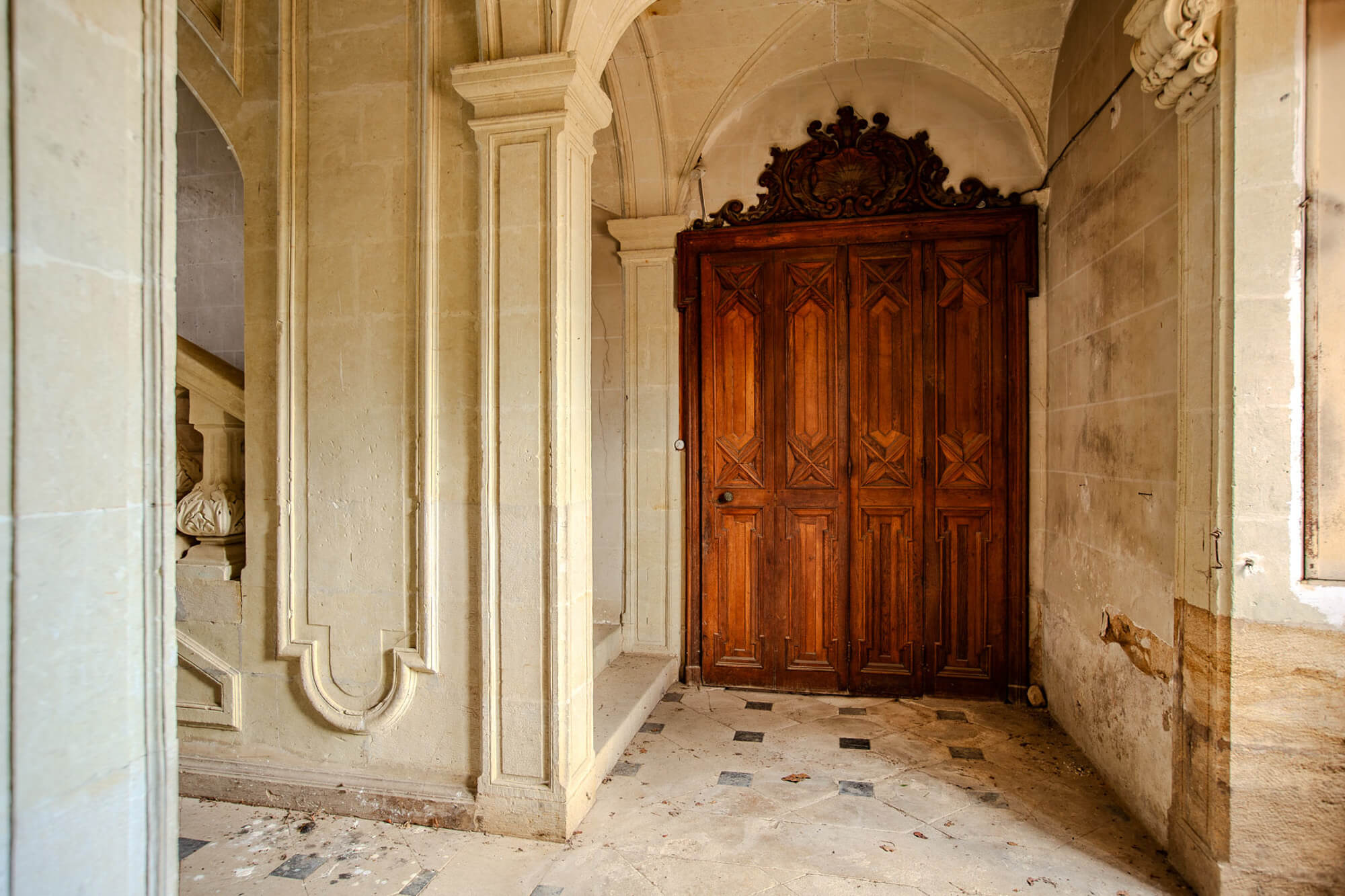
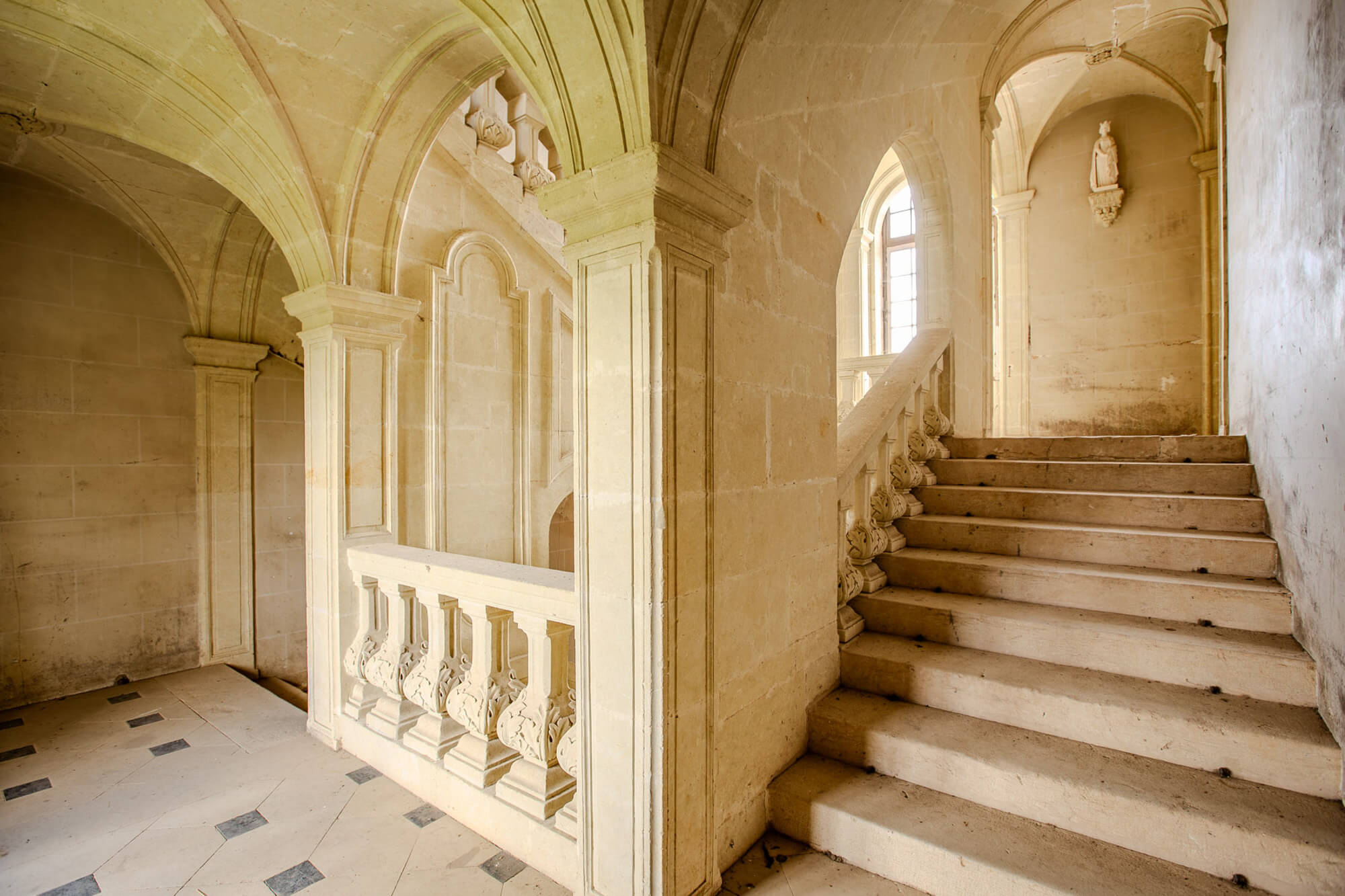
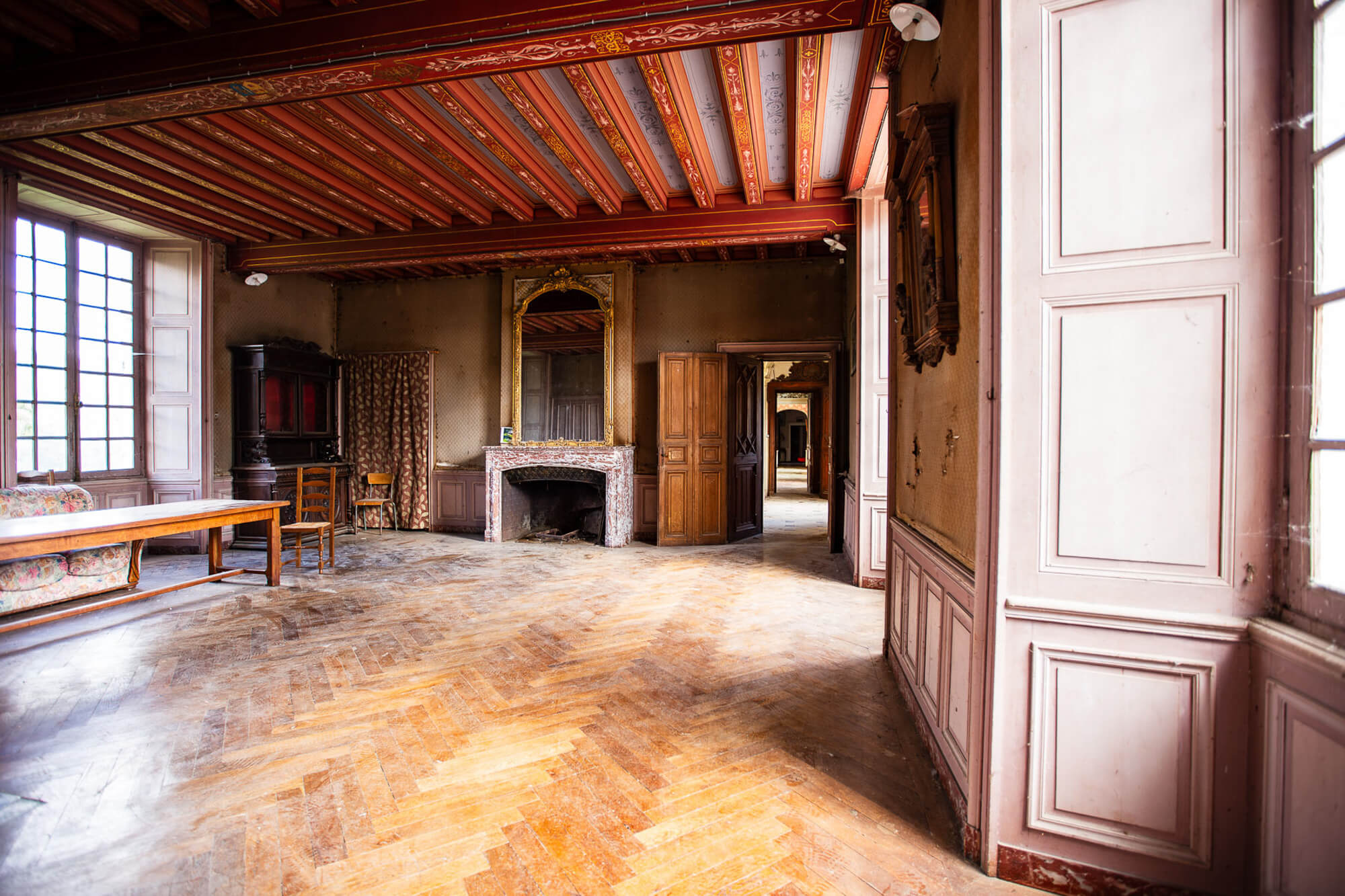
In keeping with 17th century architecture, the entrance marks the center of the château. The central pavilion houses the monumental staircase added during the Second Empire. The western wing contains the Grand State Salon, followed by the music room with wood panelling from the 1730s. On the opposite side of the main block are a salon refurbished in the 1950s, a kitchen and bathroom from the same period, an 18th-century service room, a Charles &10th salon, and a sequence of small boudoirs with Louis 16th woodwork and period fireplaces.
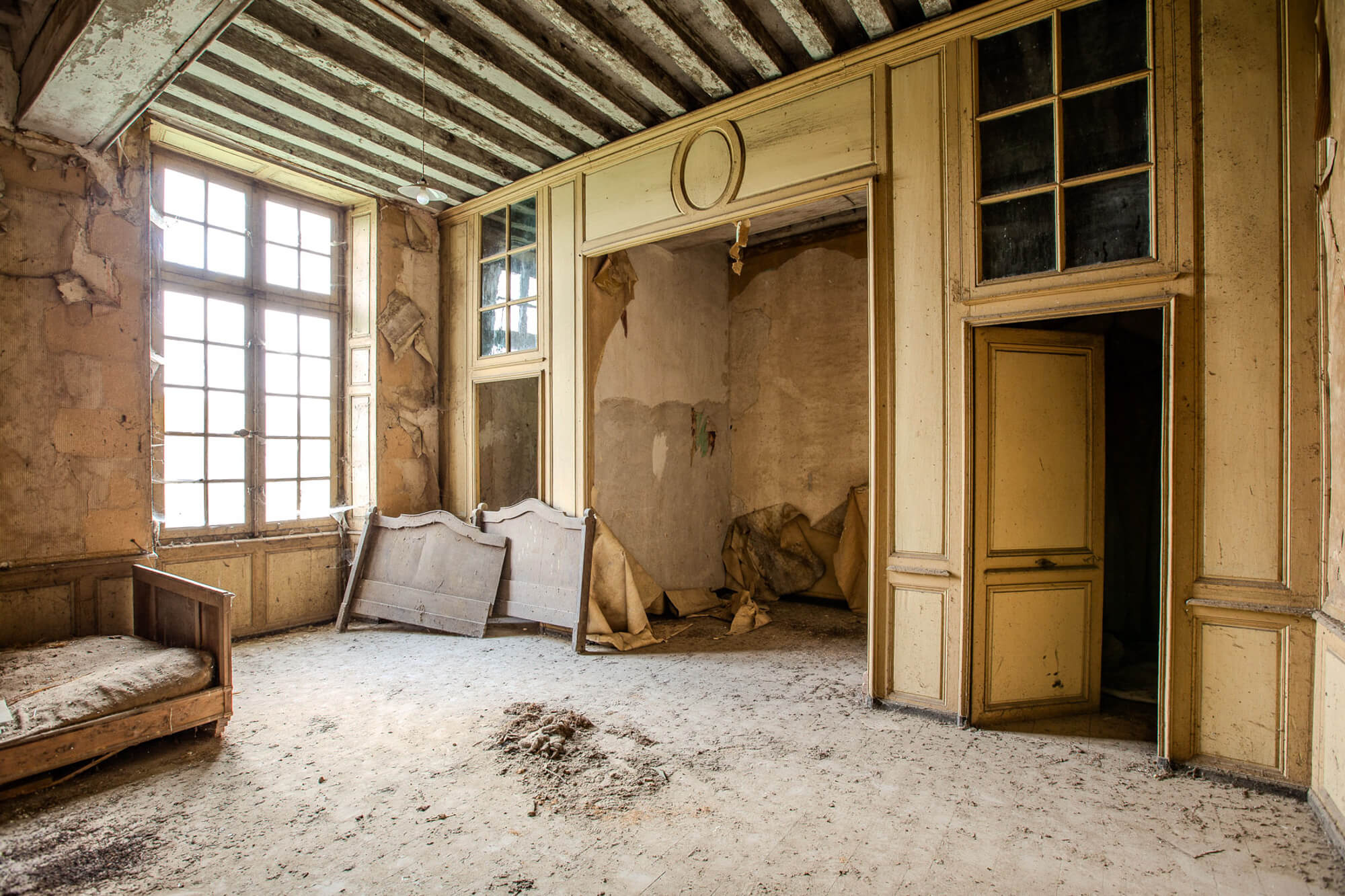
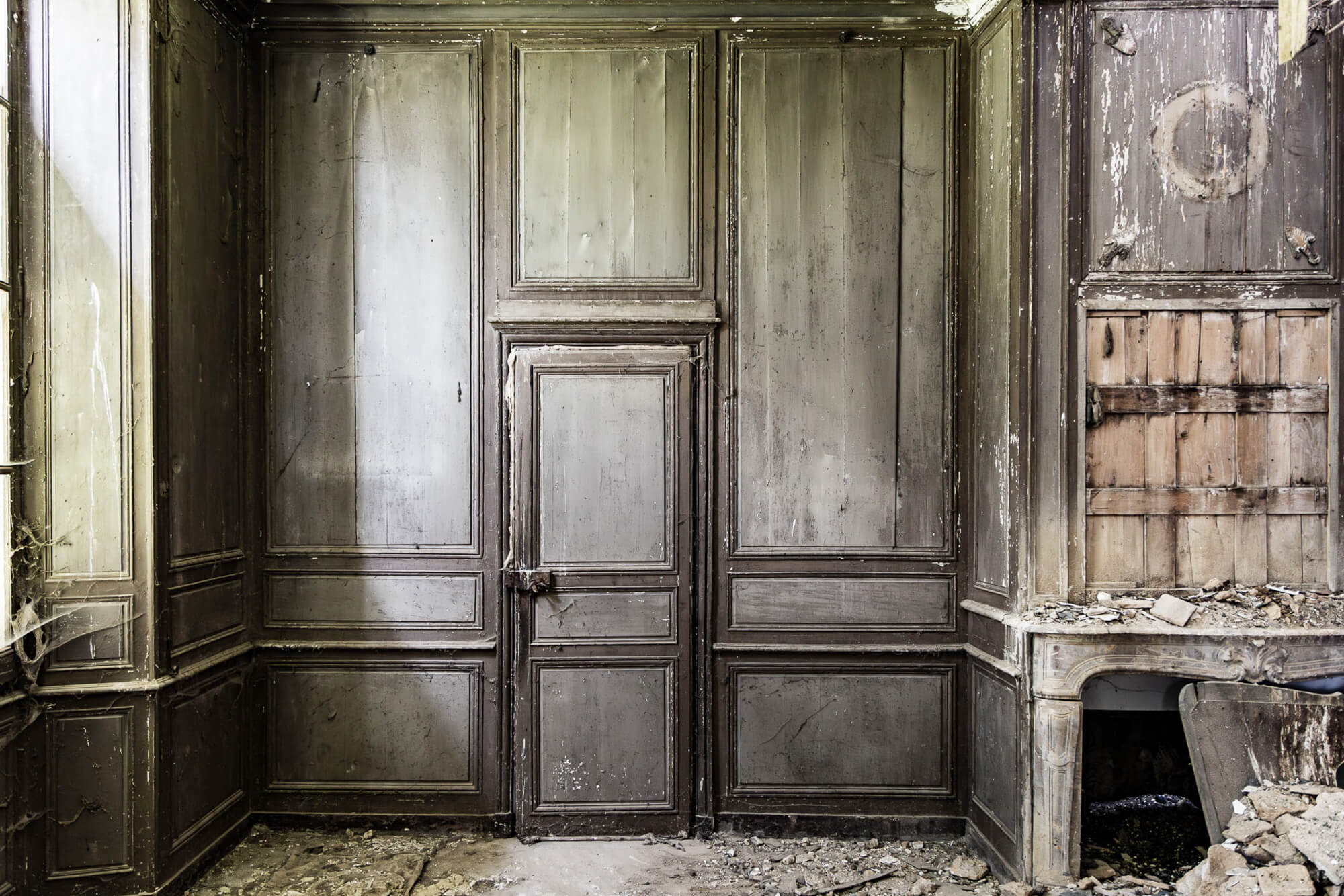
The first floor comprises six large bedrooms in the main building, two of which have preserved 18th-century panelling. The fireplace mantels, even those that have been removed, have been kept on site. A service staircase provides access to the ground floor. This level also includes many additional bedrooms of varied proportions.
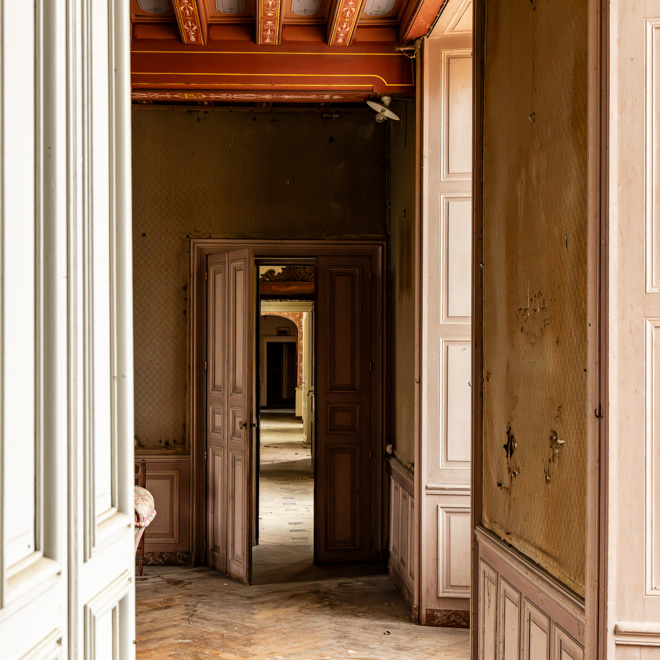
The circulation on the ground floor has remained as originally conceived: in enfilade. A transverse corridor connects the bedrooms on the upper floor. These stacked passageways face onto the cour d’honneur, allowing the rooms to enjoy views of the gardens. Finally, the unconverted attic spaces reveal a roof structure in good condition.
THE ART OF GARDENS
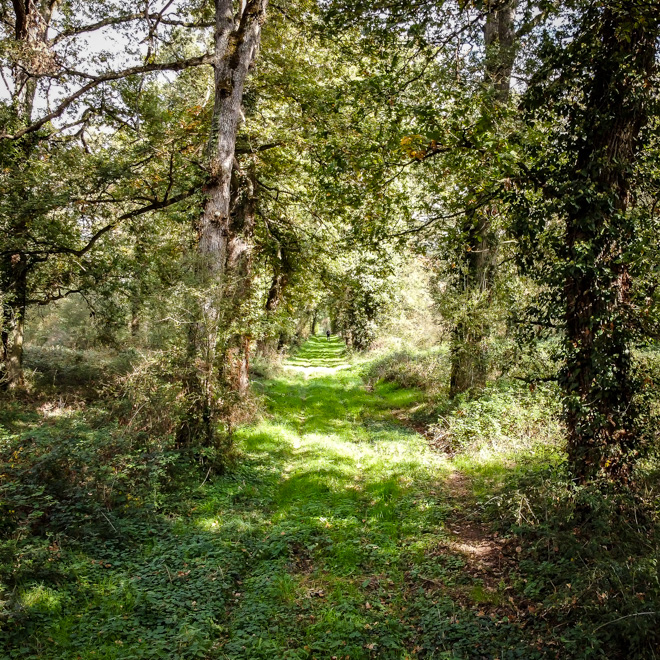
The estate spans 26 contiguous hectares: five hectares surrounding the château, partly enclosed by stone walls, and twenty-one hectares of woodland extending naturally beyond. Though the garden now lies dormant, the readable traces of its original structure remain. Initially, a Renaissance garden laid out in geometric plots formed Italian-style parterres. In the 18th century, it was replaced by a classical garden, of which a stepped terrace, the outline of a second, and the base of a dovecote still survive.
During the Restoration period, a landscaped garden was introduced, dotted with majestic cedars and featuring a folly set within the woods. The woodland is an integral component of the park rather than a mere peripheral mass: it follows its logic, carries its memory, and extends its perspectives.
The estate also preserves a rare fan-shaped layout, likely contemporary with the architectural completion of the château during the Regency. More than a backdrop, this park offers a silent lesson in garden history and a vast potential for revival.
Essentials
• Department: Deux-Sèvres
• Construction: 17th–18th–19th centuries
• Living area: approx. 700 m²
• Land area: 64 acres
• Number of rooms: 15
• Number of bedrooms: 8
• Outbuildings: Garage – Hunting Room – Storehouse
• General condition: To restore
• Nearby: Shops and services 15 minutes away
• Energy Performance Diagnosis (DPE): Not applicable
• Price Including Agency Fees: €745,000
• Agency Fees: €45,000 payable by the buyer
A full presentation dossier is available upon request.
Renovation budget to be anticipated.
Information regarding the natural risks to which this property is exposed is available on the Géorisques website: https://www.georisques.gouv.fr/
L&T’s insight
There are residences that do more than simply display beauty: they embody a lesson in architecture and civilisation. This Mannerist château, built under Louis the 13th and patiently enriched until the 19th century, belongs to that rare lineage. Its remarkably coherent silhouette — the imperial dome, the pavilion roofs, the grand limestone façade — expresses the transition between the boldness of the late Renaissance and the emerging rigour of Classicism.
But what moves most is the way each generation added its own accent without ever breaking the powerful sentence first written: Louis the 15th panelling, Charles the10th salons, a Second Empire staircase… layers of history speaking to one another with balance and precision.
Beyond its architectural purity, the estate offers a true promise of use: 700 m² of well-proportioned space (neither overwhelming nor constrained), noble yet livable volumes, clear and intuitive circulation, and a 26-hectare park poised between the distant heritage of the Renaissance and the poetry of Romanticism. In other words, a stage designed for life: for hosting, creating, passing things on.
What I love most is its current condition: undeniably in need of restoration, yet structurally intact, preserving its soul while leaving room for invention. Nothing is fixed; everything is possible, from simply bringing 18th-century décor back into the light to orchestrating a major cultural or family project. Here, restoration will not be an act of rescue; it will be a dialogue with four centuries of French genius.